
Tile Roofing for Arizona Homes
Tile is one of the most defining residential roof systems across Southern Arizona and the Phoenix metro. Its durability is real, but the system that actually keeps water out is the underlayment and flashing beneath the tile. Understanding that distinction is the key to maintaining a tile roof in the desert.
How This Roof System Works
Understanding the layers and details that make up the system is the first step to reading its condition correctly.
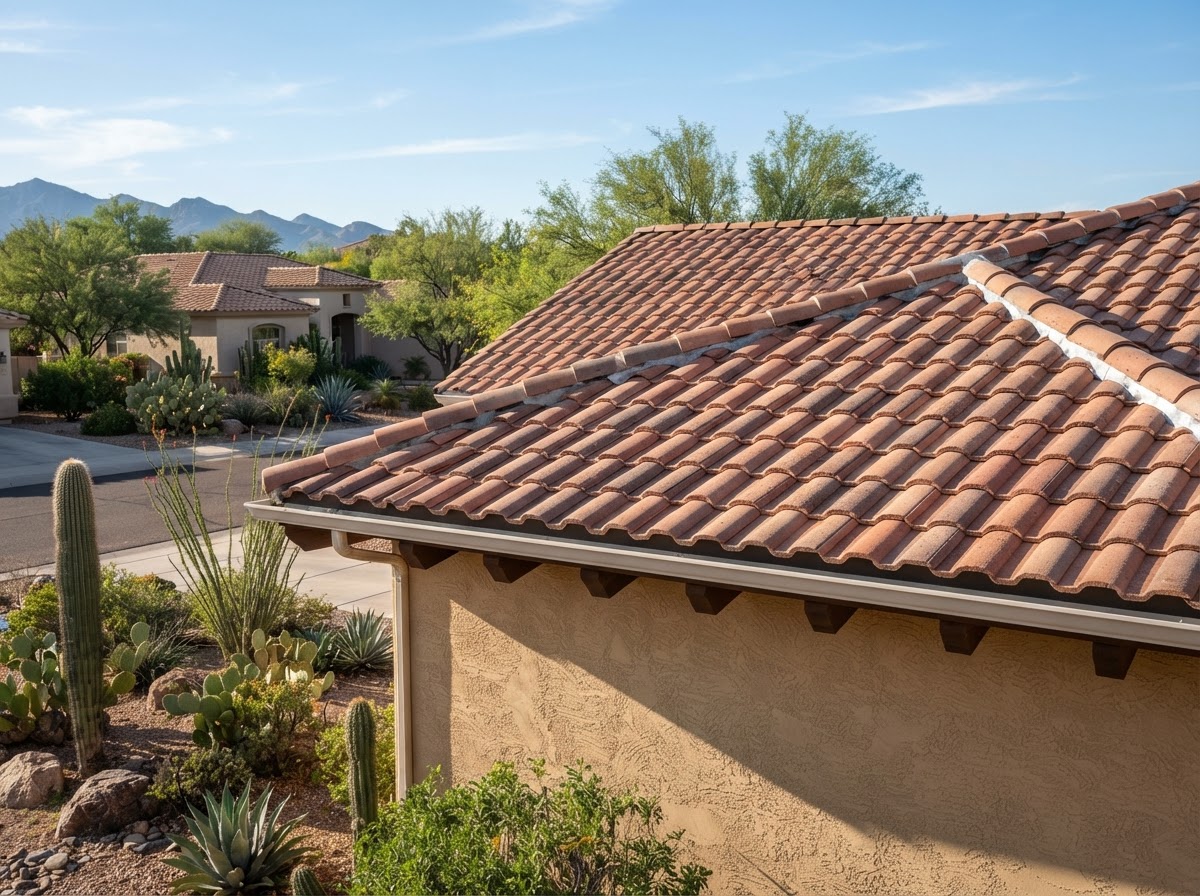
Tile roofing uses individual clay or concrete tiles laid over a waterproof underlayment on a sloped roof deck. The tiles shed the bulk of the water and take the direct sun, while the underlayment beneath provides the actual waterproofing layer. Flashing at valleys, walls and penetrations ties the system together.
Common Applications
- Sloped residential roofs across Tucson, Oro Valley and the Phoenix metro.
- Southwestern and Spanish-style stucco architecture common to the region.
- Homes where long-lasting, fire-resistant sloped roofing is desired.
Built for Desert Conditions
Arizona's heat, UV and monsoon exposure shape how every roof system performs. These are the reasons this system is common across Tucson and the Phoenix metro.
- 01Clay and concrete tile withstand intense desert UV far better than asphaltic materials.
- 02Tile tolerates the prolonged summer heat of Tucson and Phoenix without rapid degradation.
- 03The heavy thermal mass helps moderate surface temperatures under direct sun.
- 04Tile is naturally fire-resistant, a relevant trait in dry desert conditions.
Strengths of the System
- Long service life of the tile material itself under desert exposure.
- Strong resistance to UV, heat and fire.
- Individual broken or displaced tiles can often be replaced without re-roofing.
- A recognizable architectural finish that suits Southwestern homes.
Where It Falls Short
- 01Tile is heavy; the roof deck and structure must be adequate for the load.
- 02Walking on tile without care can crack it, making inspection a skilled task.
- 03The underlayment beneath the tile has its own, shorter service cycle.
- 04Matching replacement tile can be difficult when profiles are discontinued.
Where This System Tends to Fail
Knowing where a system typically breaks down helps you spot trouble early and ask the right questions during an inspection.
- 01Underlayment aging — the waterproofing layer fails long before the tile does.
- 02Cracked, displaced or missing tiles after monsoon wind.
- 03Flashing failures at valleys, roof-to-wall transitions and penetrations.
- 04Bird stops and eave closures compromised, allowing pests and wind-driven water entry.
- 05Valley flashing corrosion or separation where monsoon water concentrates.
What to Watch and What to Do
Four lenses on the same system — what an inspection covers, when a repair holds, when replacement is warranted, and what maintenance keeps it sound.
- Assess the underlayment condition, not just the visible tile.
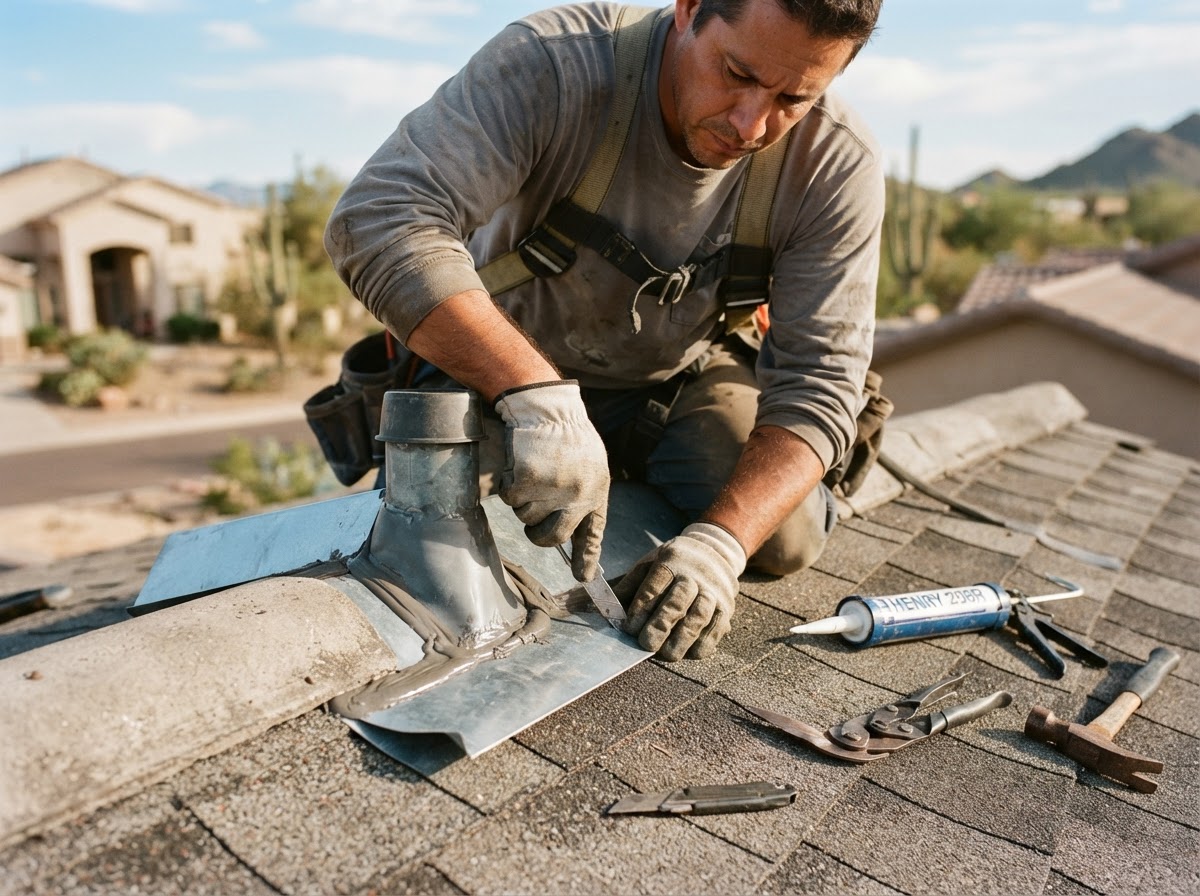
- Check flashing integrity at all valleys, walls, skylights and penetrations.
- Inspect bird stops, eave closures and edge detailing.
- Identify cracked, slipped or displaced tiles and exposed underlayment.
- Evaluate the roof deck condition where accessible.
- Replace individual broken or displaced tiles when the underlayment is sound.
- Restore flashing at valleys and penetrations before leaks develop.
- Match existing tile profiles as closely as availability allows.
- Confirm underlayment exposure has not compromised the waterproofing layer.
- When underlayment has aged out across the roof, replacing the underlayment is usually the scope — the tile can often be reused.
- Lift-and-relay: removing tile, replacing underlayment and flashing, then reinstalling sound tile.
- Full tile replacement when tiles themselves are degraded, mismatched or structurally inadequate.
- Upgrade underlayment and flashing to current standards during any re-roof.
- Annual or pre-monsoon inspection of tile, flashing and valleys.
- Clear debris from valleys and gutters that can dam monsoon water.
- Replace slipped or cracked tiles promptly to protect underlayment.
- Reseal penetrations and flashing as sealants age under UV.
Tucson Metro
- Tucson's older housing stock includes many tile roofs where the original underlayment is now well past its service life.
- Stucco roof-to-wall transitions and parapets on Tucson homes make flashing details especially important.
- Monsoon wind gusts in the Tucson basin regularly displace tile and expose underlayment.
Phoenix Metro
- Prolonged extreme heat in the Phoenix metro accelerates underlayment aging relative to milder climates.
- Rapid UV aging of sealants at penetrations is common across Phoenix tile roofs.
- Dust accumulation in valleys can trap moisture and accelerate flashing corrosion.
Pair This System With the Right Service
A roof system is only part of the picture. These services keep it inspected, repaired, maintained or replaced as conditions change.
Systems That Work Alongside This One
Understanding how systems compare helps you choose the right one — or the right combination — for your property.
Serving Tucson and Phoenix
We install, inspect, repair and maintain this system across the Tucson and Phoenix metropolitan areas and surrounding Arizona communities. Select a city below for dedicated local roofing information.
Common Questions About This System
Straightforward, technically credible answers for Arizona property owners.
We don't quote a fixed lifespan because actual service life depends on material, installation, exposure and maintenance. What matters is that the tile itself typically lasts far longer than the underlayment beneath it. An inspection tells you where each layer stands.
Because the waterproofing layer is the underlayment beneath the tile, which ages out on its own cycle. Tile can remain visually serviceable long after the underlayment beneath it begins to fail. That is why underlayment condition, not tile appearance, drives the recommendation.
Often, yes. When the tile is sound but the underlayment has reached the end of its service life, a lift-and-relay replaces the underlayment and flashing while reusing the existing tile. We document the condition and recommend the right scope.
Yes. Individual broken or slipped tiles can usually be replaced when the underlayment is intact. We also restore flashing at valleys and penetrations where monsoon wind has caused movement.
Not Sure What Your Roof Needs?
Start with a professional roof inspection. We will evaluate the condition of the roofing system and explain the available options clearly.