
Residential Roofing Systems for Arizona Homes
Arizona homes often combine more than one roofing system — tile on the main roof, flat or foam on a patio addition, transitions between them all. This pillar page brings together the residential systems, details and services that keep an Arizona home roof sound.
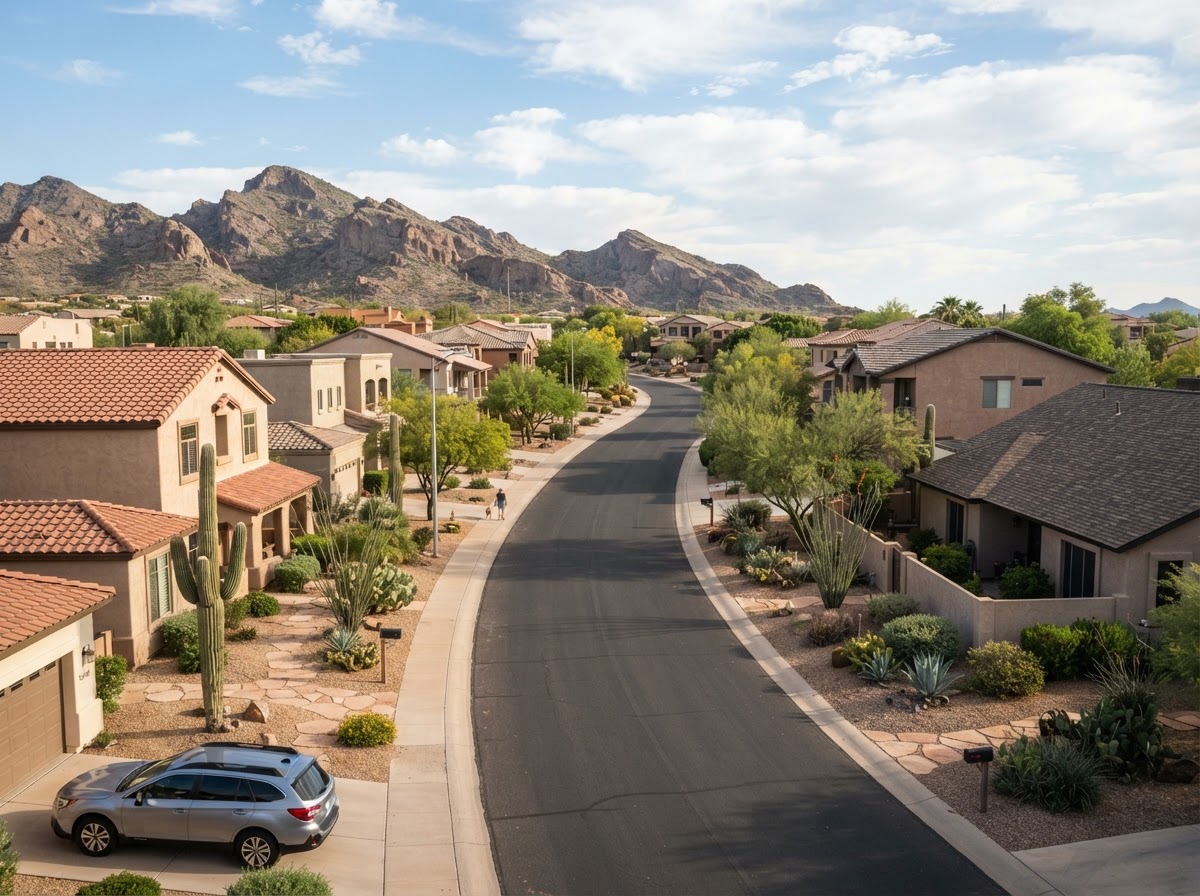
How This Roof System Works
Understanding the layers and details that make up the system is the first step to reading its condition correctly.
Residential roofing systems are the assemblies that protect a home: tile, shingle, flat, foam and the mixed systems that combine them. Each has its own underlayment, flashing, ventilation and drainage requirements, and the transitions between systems on the same home are often where problems begin.
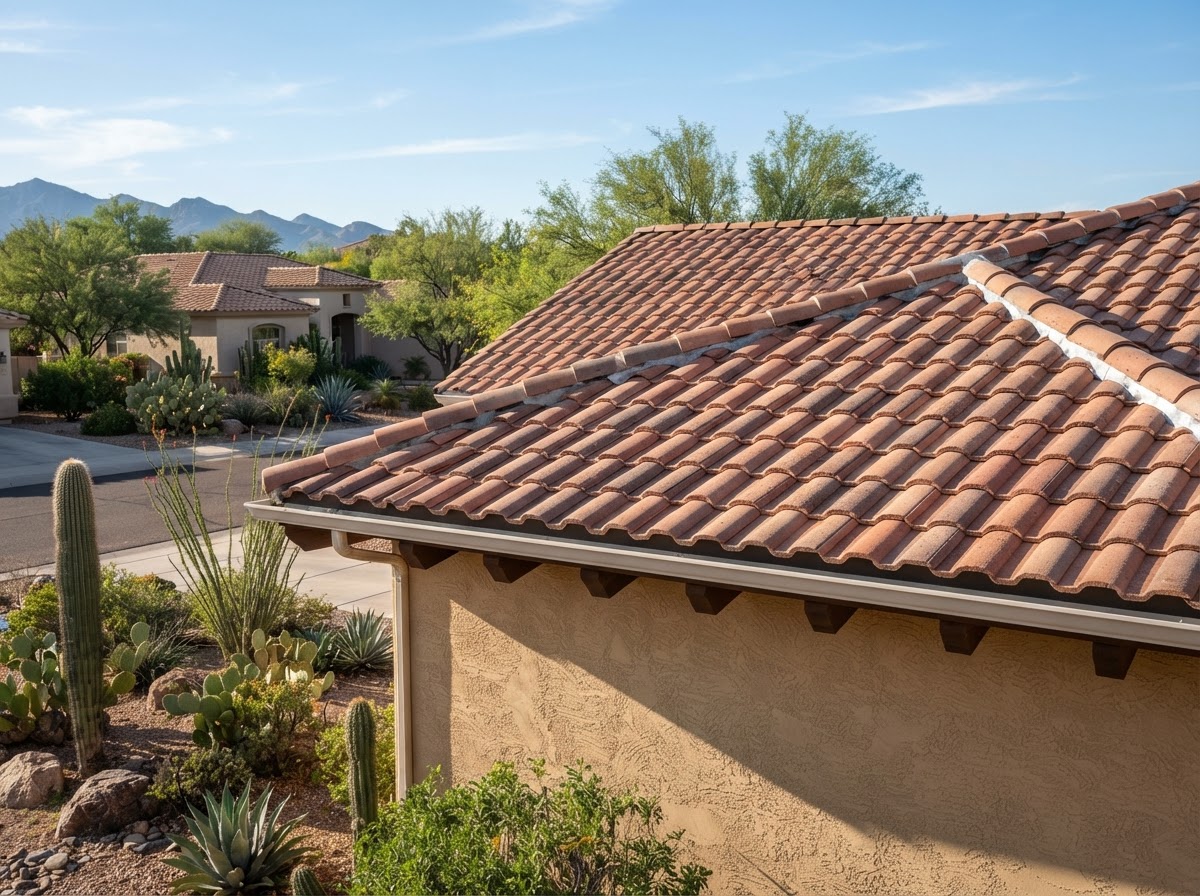
Common Applications
- Homes across Tucson, Southern Arizona and the Phoenix metro.
- Mixed-roof homes combining sloped and flat or foam sections.
- Patio additions, carports and additions tied into an existing roof.
Built for Desert Conditions
Arizona's heat, UV and monsoon exposure shape how every roof system performs. These are the reasons this system is common across Tucson and the Phoenix metro.
- 01Tile, flat and foam are all common residential systems in the region.
- 02Stucco construction and parapet walls make flashing transitions especially important.
- 03Intense heat and UV shape how every residential system ages.
- 04Monsoon wind and sudden rainfall test transitions and drainage.
Strengths of the System
- A whole-home view across every system on the roof.
- Coordinated inspection, repair, maintenance and replacement.
- Attention to transitions and mixed systems where failures often start.
- Systems specified for Arizona heat, UV and monsoon exposure.
Where It Falls Short
- 01Mixed systems mean multiple service cycles to track.
- 02Transitions between systems are the most leak-prone details on a home.
- 03Underlayment beneath tile ages on its own cycle, separate from the tile.
- 04Flat and foam sections need more frequent maintenance than sloped systems.
Where This System Tends to Fail
Knowing where a system typically breaks down helps you spot trouble early and ask the right questions during an inspection.
- 01Transitions between sloped and flat or foam systems leaking at the tie-in.
- 02Underlayment aging beneath tile long before the tile itself.
- 03Flashing failures at valleys, walls, skylights and penetrations.
- 04Drainage and ponding on flat and low-slope home sections.
- 05Ventilation shortfalls shortening shingle life from below.
What to Watch and What to Do
Four lenses on the same system — what an inspection covers, when a repair holds, when replacement is warranted, and what maintenance keeps it sound.
- Assess every system on the home, including transitions between them.
- Inspect underlayment beneath tile, not just the visible tile.
- Check flashing at valleys, walls, skylights and all penetrations.
- Evaluate drainage and ponding on any flat or low-slope sections.
- Review attic ventilation where it affects shingle or deck life.
- Repair transitions between systems before they leak.
- Replace individual damaged tile or shingles when the field is sound.
- Restore flashing and sealants at penetrations.
- Address drainage and ponding on flat sections.
- Replace underlayment beneath sound tile via lift-and-relay when warranted.
- Full system replacement when failure is widespread.
- Correct ventilation and drainage as part of any replacement.
- Match the replacement system to the home's architecture and exposure.
- Annual or pre-monsoon inspection of every system on the home.
- Clear debris from valleys, gutters and flat-roof drainage.
- Replace slipped or cracked tile promptly to protect underlayment.
- Maintain coatings on flat and foam sections on an appropriate cycle.
Tucson Metro
- Tucson homes frequently combine tile main roofs with flat or foam patios and additions.
- Older Tucson housing stock often has underlayment past its service life beneath sound tile.
- Stucco roof-to-wall transitions and parapets make flashing details critical.
Phoenix Metro
- Phoenix metro homes mix tile, shingle and flat systems across many neighborhoods.
- Prolonged extreme heat accelerates underlayment, shingle and coating aging.
- Monsoon wind and dust test transitions and drainage on mixed-roof homes.
Pair This System With the Right Service
A roof system is only part of the picture. These services keep it inspected, repaired, maintained or replaced as conditions change.
Systems That Work Alongside This One
Understanding how systems compare helps you choose the right one — or the right combination — for your property.
Serving Tucson and Phoenix
We install, inspect, repair and maintain this system across the Tucson and Phoenix metropolitan areas and surrounding Arizona communities. Select a city below for dedicated local roofing information.
Common Questions About This System
Straightforward, technically credible answers for Arizona property owners.
Yes. Arizona homes often combine sloped tile with flat or foam additions, and the transition between them is a common leak point. We inspect and service every system on the home, including the transitions.
Mixed systems are two or more roof types on one home — tile main roof with a flat or foam patio, for example. The transitions between them are where failures often start, so they need particular attention during inspection and maintenance.
In some cases, yes. When the tile is sound but the underlayment has aged out, a lift-and-relay replaces the underlayment and flashing while reusing the existing tile. We document the condition and recommend the right scope.
Heat buildup in an under-ventilated attic ages shingles and decking from below. Correcting ventilation is part of both repair and replacement to protect the roof system in the Arizona climate.
Not Sure What Your Roof Needs?
Start with a professional roof inspection. We will evaluate the condition of the roofing system and explain the available options clearly.