
Reflective Coatings Built for Desert Heat.
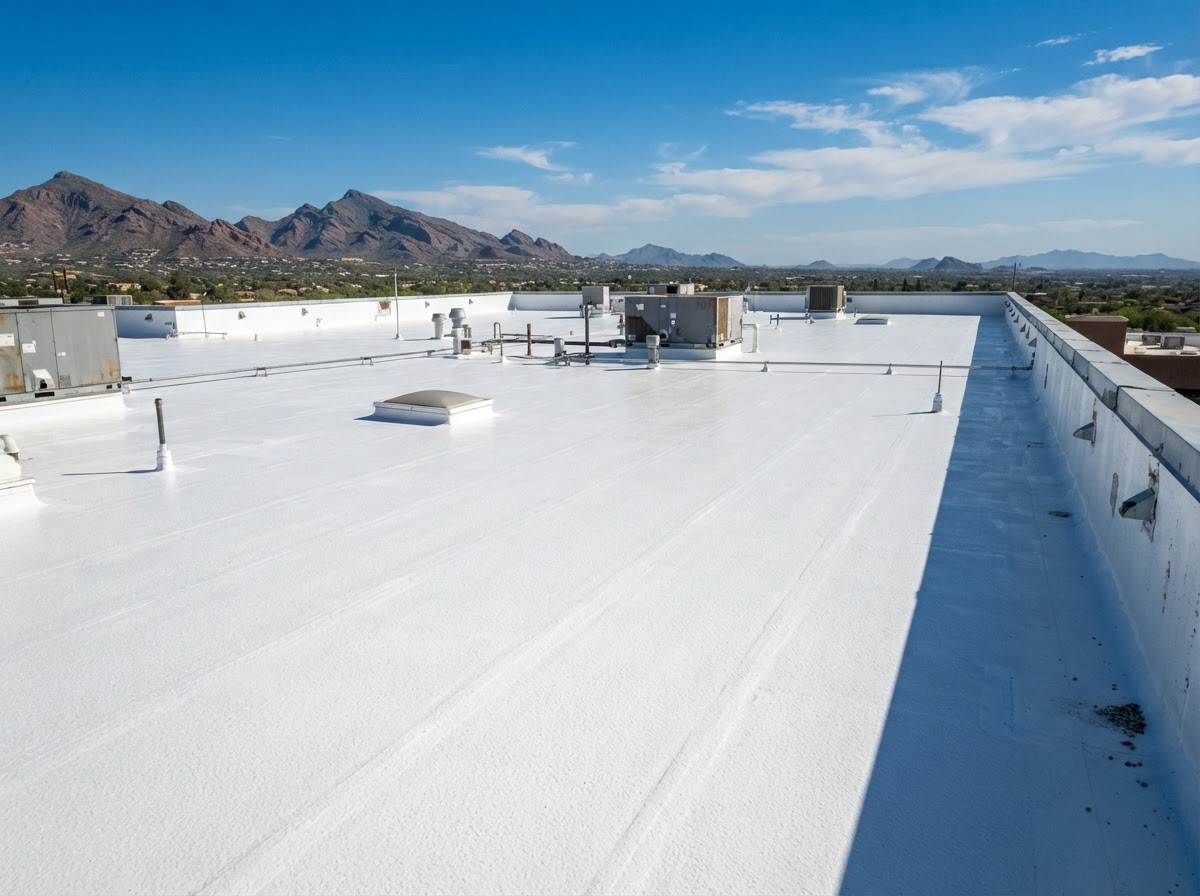
On flat and low-slope roofs, a reflective coating can lower surface temperature, reduce heat gain into the building, and protect the membrane beneath. We assess whether a roof is a good candidate for coating, prepare the substrate properly, and apply a coating system documented for the conditions it will face.
Recognizing the Right Time
Roofing work is most effective when it addresses a clearly identified condition rather than a guess. The points below describe the situations where this service typically applies.
- 01A sound flat or low-slope membrane that is aging but not failed.
- 02A roof taking heavy solar exposure with high cooling loads below.
- 03A coating reaching the end of its previous service cycle.
- 04A commercial roof where reflective performance has degraded.
- 05An owner looking to extend service life before full replacement.
Signs Worth Investigating
Not every symptom means immediate failure, but several of these together usually call for a closer look.
- 01A coating that is chalking, cracking or thinning.
- 02Surface temperatures driving high interior cooling costs.
- 03Minor surface cracking in the membrane that coating can seal.
- 04Loss of reflectivity and visible discoloration across the roof.
- 05A previous coating application nearing its service interval.
Engineered for Desert Conditions
Phoenix roofing systems face conditions that are uncommon in most of the country. The factors below shape how we approach this service.
- Reflective coatings reduce roof surface temperature substantially under direct desert sun.
- Coatings only perform over a sound substrate — they are not a fix for failed membrane.
- UV exposure shortens coating life, so reapplication cycles matter in Phoenix.
- Ponding water areas must be addressed before coating, or the coating will not hold there.
- Proper surface preparation is the single biggest factor in coating longevity.
A Documented Assessment
Before recommending work, we document the condition of the relevant components so you can make a clear decision.
Whether the existing membrane is sound enough to coat.
Drainage and any ponding that must be corrected first.
Condition of the substrate and any areas needing repair before coating.
The right coating system for the roof type and exposure.
Surface preparation requirements for adhesion and longevity.
A reapplication interval appropriate to the exposure.
From Assessment to Completed Work
The same disciplined sequence applies to every roofing scope — inspect, document, recommend and complete — so you know what your roof needs before any money is spent.
Assess the membrane and substrate for coating suitability.
Record required repairs and the coating plan.
Recommend the coating system and preparation scope.
Prepare the surface, apply the coating and document coverage.
Systems Relevant to This Service
Roof Coatings
Elastomeric and reflective coatings that extend roof service life.
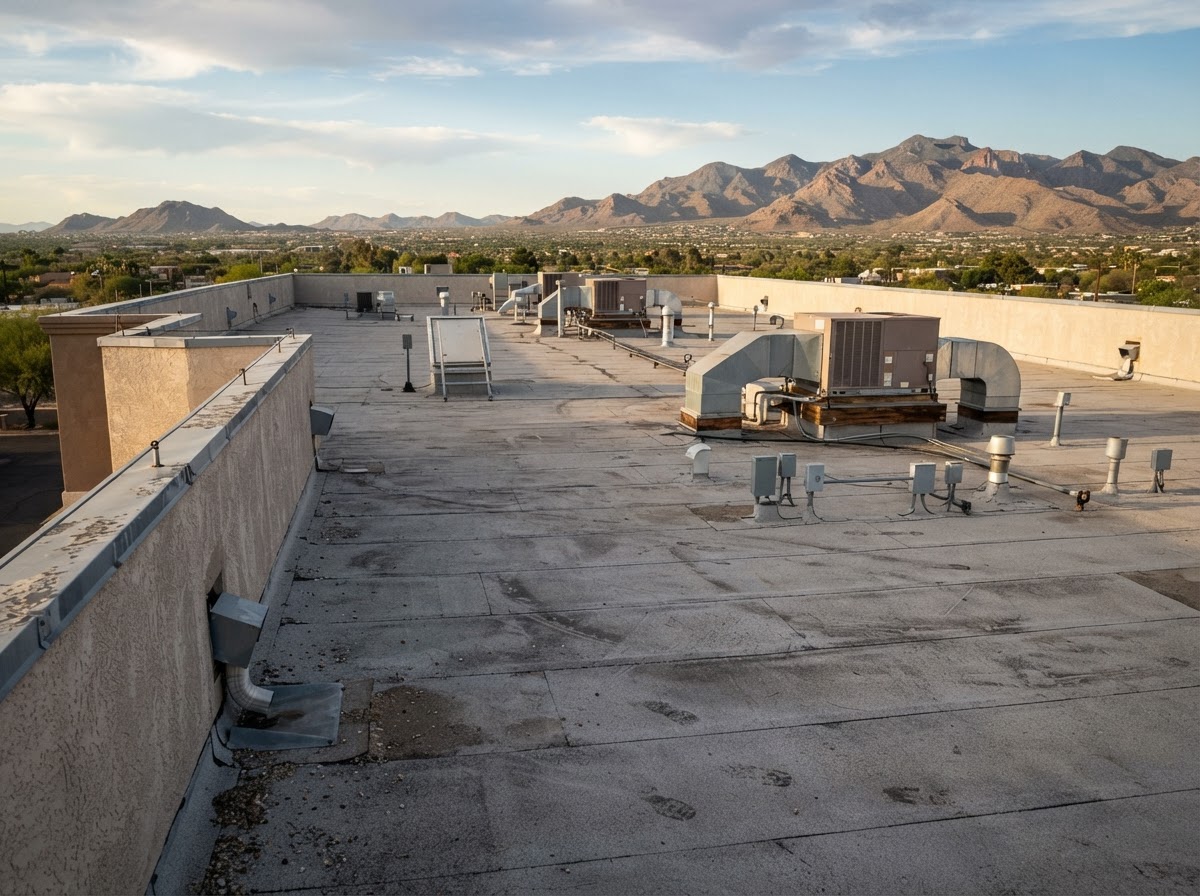
Flat Roofing
Built-up and single-ply flat systems for low-slope applications.
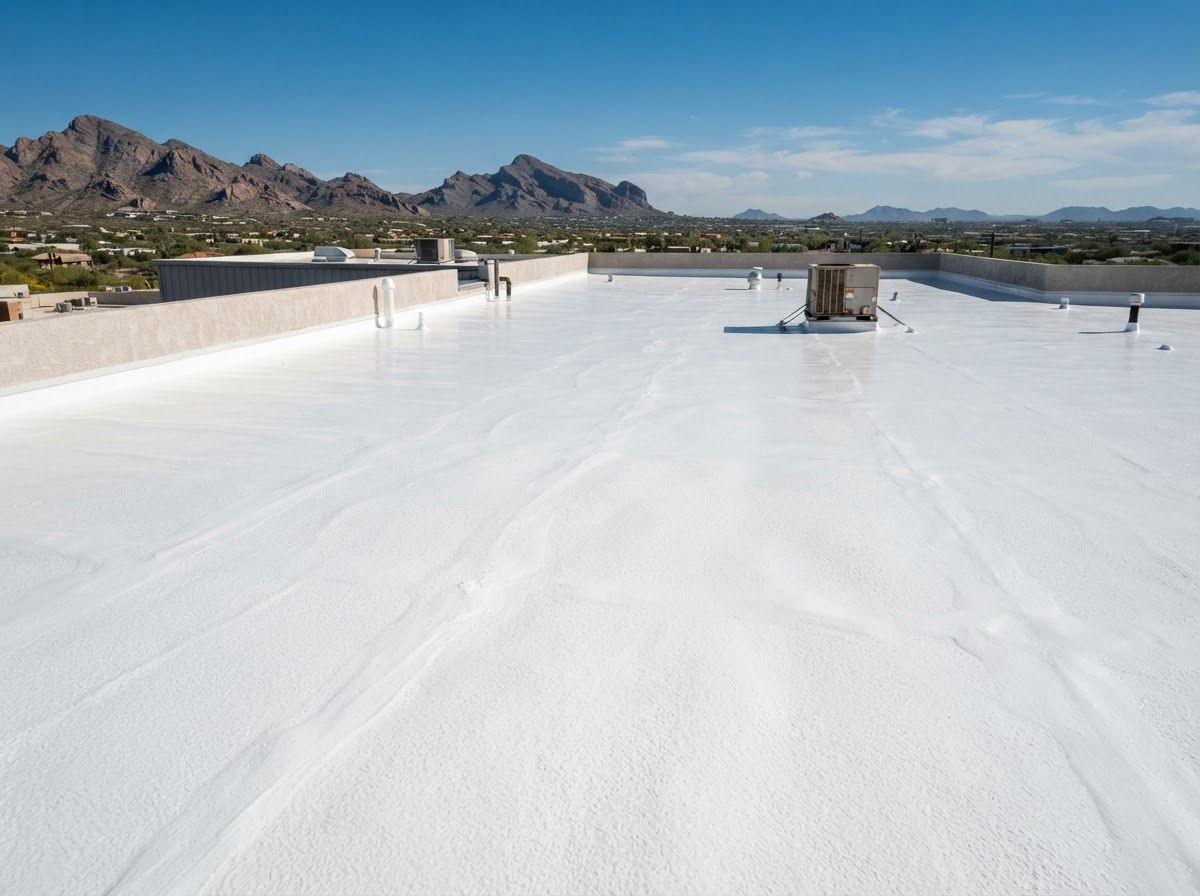
Foam Roofing
Seamless spray foam for insulation and waterproofing performance.
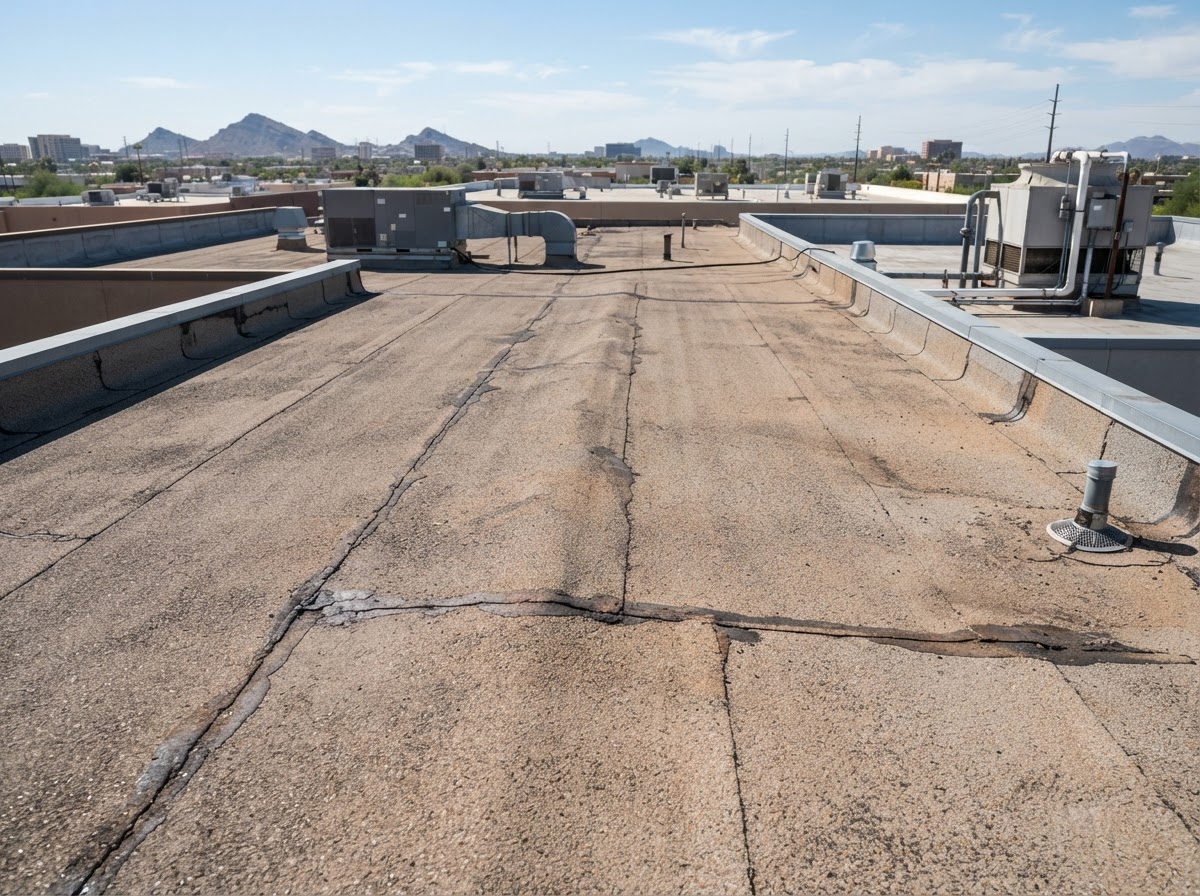
Modified Bitumen
Multi-ply modified bitumen for resilient commercial flat roofs.
Common Questions
Straightforward answers about this service and how it applies to Arizona roofing systems.
No. Coatings perform only over a sound substrate. If the membrane is failed, holding water or deteriorated, coating will not solve it — we document that clearly and recommend the right path instead.
A reflective coating can reduce roof surface temperature significantly, which often lowers heat gain into the building. The actual effect on cooling costs depends on the building and insulation.
Coating service life depends on the product, preparation and exposure. UV in the desert shortens the cycle, so we recommend a reapplication interval based on the specific roof.
Yes. We apply coatings to qualifying flat and low-slope roofs on both residential and commercial properties.
Not Sure What Your Roof Needs?
Start with a professional roof inspection. We will evaluate the condition of the roofing system and explain the available options clearly.